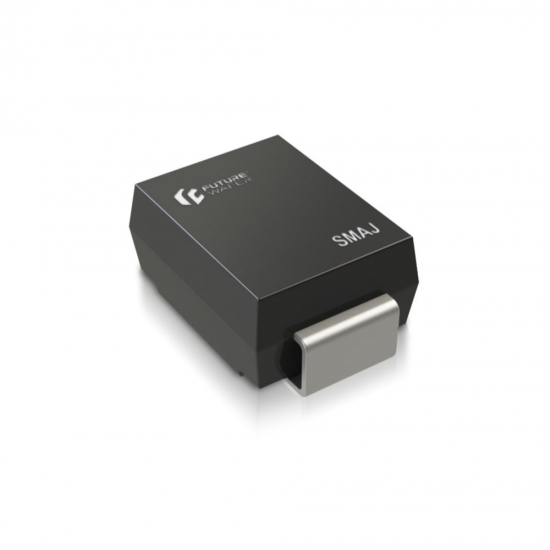
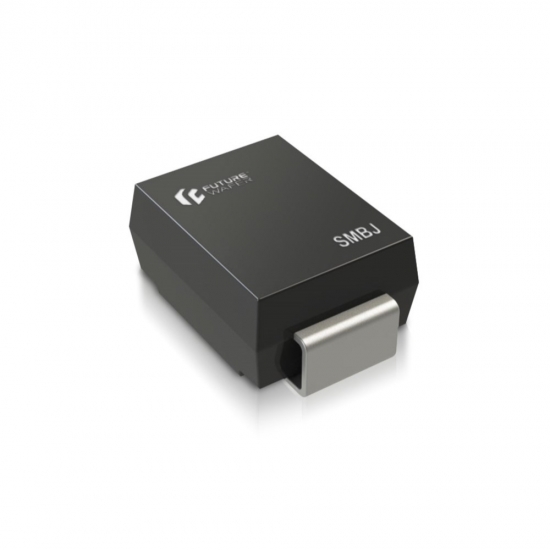
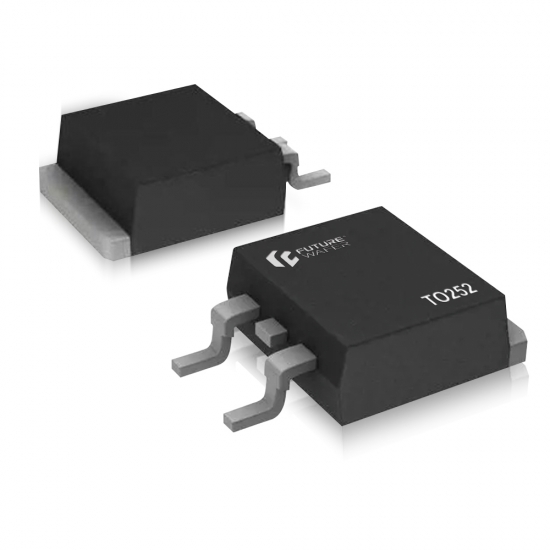
What is a Rectifier Diode?
A rectifier diode, also called a rectifier, is like an electrical traffic cop. It prevents electricity from flowing in the opposite direction while allowing it to flow in one. This is a very useful approach to convert erratic AC electricity into consistent DC power. These diodes are the behind-the-scenes heroes of electronics, silently making sure power supplies, battery chargers, and loads of gadgets get the right kind of electricity.
It is impressive how they can handle a wide range of voltage levels and varying amounts of electrical power, from minimal to massive quantities. what is a rectifier used for - They primarily use silicon, although they can also occasionally be found in other materials with unique properties, such as gallium arsenide or germanium. If you've ever seen their symbol rectifier, it resembles an arrow pointing in the direction in which electricity can flow. In the context of electric currents, what do diodes do in a circuit - a diode is a semiconductor that is used to control the flow of electrical current in a circuit, allowing it to flow in one direction while blocking it in the opposite direction.
Rectifier Diode Circuit Working
How diodes work - The working of a rectifier diode circuit is relatively straightforward, and what is the purpose of diode to convert alternating current (AC) into direct current (DC) by allowing current to flow in only one direction while blocking it in the opposite direction. This process plays an essential role in various electronic and electrical applications that require a stable DC voltage, including power supplies, battery chargers, and numerous other devices. what does rectifier do -
Here's how a rectifier diode circuit works:
AC Input: The rectifier diode circuit starts with an AC voltage source, which typically provides a voltage that alternates between positive and negative values in a sinusoidal manner.
Diode Configuration: A rectifier diode circuit uses one or more diodes, are diodes directional typically a single diode in a half-wave rectifier. It's linked to the load.
Half-Wave Rectification: The diode conducts during AC's positive half-cycle, allowing current from anode to cathode, blocking the negative half-cycle when reverse-biased.
Output: The output across the load is a pulsing DC voltage as a result of this operation. It solely includes the input AC waveform's positive regions. The voltage drop across the semiconductor diode and the amplitude of the AC input determine the DC voltage's magnitude.
Filtering (Optional): To stabilize DC voltage, add a filter circuit, often a capacitor, across the load. This capacitor stores charge when the diode conducts, reducing DC output ripples.
Full-Wave Rectification (Bridge Rectifier): For more efficient and complete rectification, what is the purpose of a diode - a bridge diode rectifier circuit is often used. It consists of four diodes arranged in a bridge configuration. This setup rectifies both the positive and negative half-cycles of the AC input, resulting in a nearly constant DC output